St. Paul begins his Epistle to the Philippians with these beautiful words: “So then, my brethren, beloved and longed for, my joy and my crown, stand fast thus in the Lord, beloved.” (Phil.4:) This makes me think of Jesus being addressed as the Beloved of the Father, both at his baptism and the Transfiguration, and how he experienced this. To be beloved by anyone, especially by God, is the greatest experience in the world. I believe that Jesus came to teach us of this relationship that we all have, and that he gave his life for this belief. Do LGBTQ people experience themselves as beloved by God in the Church? Can they believe St. Paul’s words are addressed to them too?
In Autumn of 2025, Pope Leo was asked by a Vatican reporter about whether there could be changes ahead in Church teaching on homosexuality. His response was quite intriguing: “People want the church doctrine to change, want attitudes to change. I think we have to change attitudes before we even think about changing what the church says about any given question.”
What attitudes might the pope be referring to? The Church hierarchy’s attitude? The Catholic people in the pews’ attitude? Either way, he seems to indicate that attitudes are able to affect church doctrine. This comment may even show an inner sense which he and many have that the church’s teachings often develop from the ground up. Lex orandi, lex credendi (Catechism, 1124). If that is the case, many people’s attitudes in the Church have already changed. 75% of Catholics support LGBTQ people receiving communion and 70% support same-sex marriage.
Do LGBTQ people experience themselves as beloved by God in the Church? Can they believe St. Paul’s words are addressed to them too?
In regard to gay seminarians and priests, an important point needs to be raised, one often lost or unclarified in these discussions. The word “gay,” or “LGBTQ” for that matter, does not mean that the person who so identifies is automatically sexually active. This presumption may be what hovers behind the pope’s concern about attitudes needing to change.
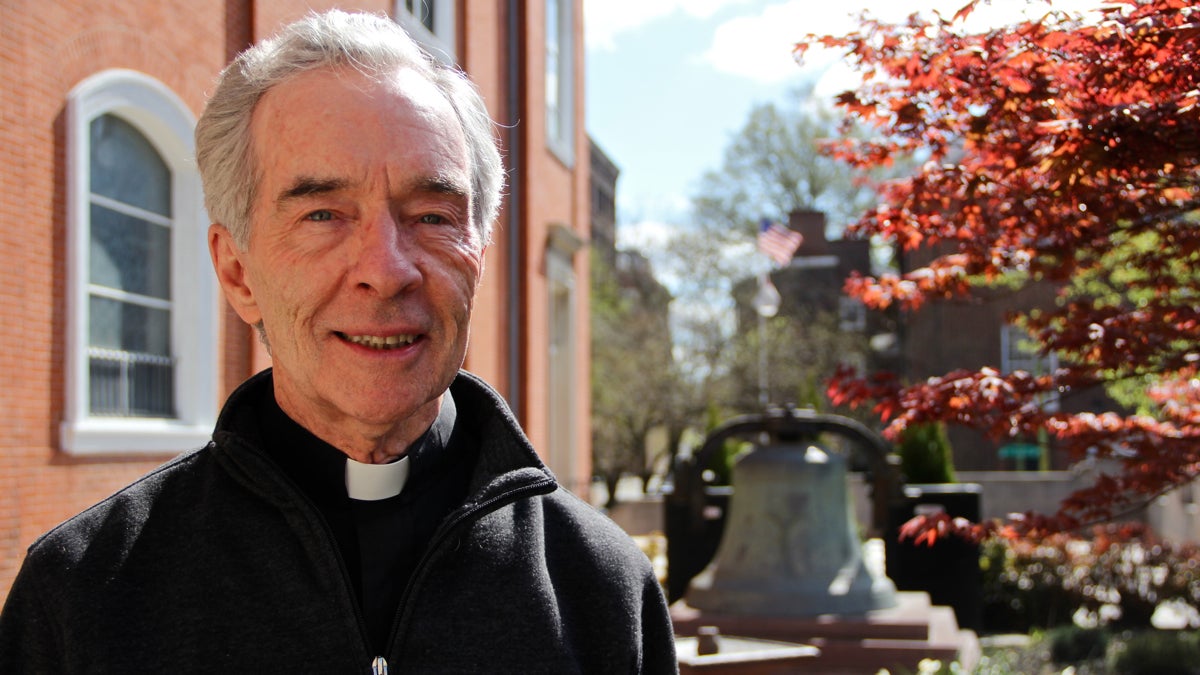
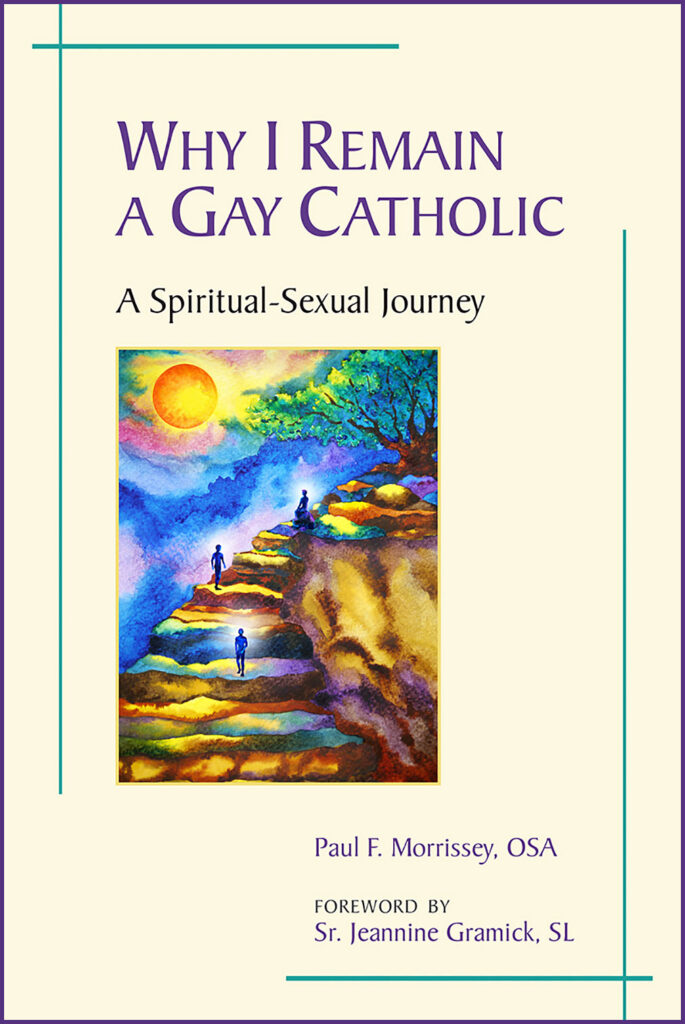
Full disclosure: I am a gay priest and have written a memoir about my life-long journey to be an integrated person—both gay and a vowed celibate religious. In a recent interview on a podcast called “The God Show.” I was asked sincerely by the interviewer how it is possible for one to be both gay and a priest at the same time. When I mentioned that I am a celibate religious and that this does not remove my sexual orientation, he was surprised. I was too at his presumption that to identify oneself as gay means you are sexually active.
Many people may unconsciously believe that when priests or vowed religious promise to be celibate that this cancels our sexuality. This would apply to heterosexual priests/religious as well. Do they think the same of Jesus? The saints? As long as we have bodies, we are sexual, and this is a gift of God. When we are called to be celibate, by God’s grace we seek to “sublimate” our sexual feelings and attractions in the service of the Gospel and our communities. When we or others think these feelings simply go away by making a vow, we are at risk of becoming unfeeling, being lured into inappropriate relationships, or being ashamed of sexual desires in ourselves or others.
St. Augustine, the founder of the religious order that Pope Leo (and I) belong to, states in his Rule: “Although your eyes may perchance turn toward a woman, you may not fix your gaze. You are not forbidden, however, to see women when you are abroad; but to design to see them, or to bring yourself to their notice, is wrong; for it is not by touch or desire alone, but by one’s gaze also that disordered affections arise (The Rule of St. Augustine, Chapter VI, 3). In other words, the desires are there for women (or for men) because we are human. What we do with our sexual desires is the challenge. “Don’t fix your gaze,” Augustine says. He doesn’t say pretend your eyes do not seek out beauty. God created us this way. Don’t fix your gaze, don’t try to possess; rather lift your gaze to the Lord. But who among us speak about this, even in seminaries and religious communities? What keep us from this?
This misunderstanding may be why various Vatican pronouncements about gay seminarians are simplistic and confusing as to whether the Church can ordain gay men. In 2005, a Vatican document stated that those with “deep-seated homosexual tendencies” cannot be admitted to seminaries. Pope Francis even renewed this document in 2016, though he is still remembered for responding “Who am I to judge?” when asked about a gay priest. The use of the word “tendencies” is key here. The Church still doesn’t acknowledge that men called to the priesthood/religious life can have a sexual orientation that isn’t just “tendencies” (to be overcome by prayer or even conversion therapy), when it is actually a gift of God like heterosexuality and can be dedicated to God for a higher purpose.
Until this attitude toward candidates for the priesthood begins to change, the Church’s teaching will not change, no matter what laypeople think. As long as it is presumed that anyone who accepts his homosexuality is unable to be celibate and therefore unfit for the priesthood, gay seminarians must hide their orientation–even lie about it–in order to follow their vocational call from God. What kind of priests does this training produce?
By contrast–as reported in a New Ways Ministry blog in January, 2025–Italian bishops released a new directive, supported by Pope Francis, concerning seminary candidates. It stated that, “discernment of a seminary candidate should not be based on sexuality (or ‘homosexual tendencies’) alone. Rather–just as for heterosexual candidates–’an orientation toward celibate life’ is what will be required by gay candidates.” In other words, at least in Italian seminaries, gay men don’t need to hide who they are as long as they intend to live celibate lives. This doesn’t mean they need to be public about it, but at least that they can be open about themselves and be encouraged, if they wish, by their families and friends.
One other difficult issue needs to be mentioned. One which can easily lead to caricature: Pedophilia. There are those who treat all homosexuals as potential pedophiles. This caricature cannot be maintained. There appears to be no consistent link between the adult sexual orientation of an abuser (whether straight or gay) and the sex of the children they abuse. This is as true of the priests who abused as of any other abuser. In all cases of abuse “availability” is a major factor, so the children most easily available were those most likely to be abused.
Unless we find ways to discuss these delicate matters carefully in our diocesan priests’ meetings, religious communities and even among our parishioners, attitudes will not change.
So, some homosexual priests and religious did abuse children; others sexually abused adolescents. The latter abusers are called ephebophiles. Strict psychological tests and reporting of any such behavior is mandatory in all seminaries and places where priests minister to young people today. We must grieve such abuse at the hands of some who were ordained and zealously guard against any repeat of this. However, if we collapse this category of people into meaning all gay men, we will only continue the scapegoating and confusion that will prevent healing in our Church.
Pope Leo said, “I think we have to change attitudes before we even think about changing what the church says about any given question.” Unless we find ways to discuss these delicate matters carefully in our diocesan priests’ meetings, religious communities and even among our parishioners, attitudes will not change. The Church’s teaching on homosexuality and sexuality itself will not reflect how people actually live and believe but will be dismissed. Some people will keep coming to confession in an addictive manner, expecting to erase “tendencies,” never receiving help to integrate their sexuality. We will continue wondering why there are a shortage of priests or why many newly ordained priests have a conflicted view of sexuality, their own as well as that of the people they are called to serve.
In our parish in Philadelphia, we begin every liturgy with this greeting, “We welcome everyone here, and we mean everyone.” Yet I sometimes wonder: do we really mean everyone? Do we welcome LGBTQ people? Do we welcome married couples who use birth control? Do we welcome gay seminarians and priests? And why are our morality detectors mainly concerned about sexuality rather than greed, pride, lies and lack of charity?
If we truly care about our Church, we can begin to have conversations about these matters. We can practice the synodal way of speaking and listening. We can share our attitudes and possibly change them. We can learn from each other’s experience, and really come to know we are beloved daughters and sons of God. …So then, my brethren, beloved and longed for, my joy and my crown, stand fast thus in the Lord, beloved.