Transgender people are often spoken about, debated, analyzed and politicized. Far more rarely are we simply listened to.
In Catholic spaces, many of us know what it feels like to be rejected or invisible. Even within LGBTQ spaces, transgender concerns can be treated as uniquely controversial, leaving us caught between heightened stigma and tokenization. Genuine encounter—the kind rooted in curiosity, dignity, and openness—can feel painfully rare.
But in the church, something is beginning to shift.
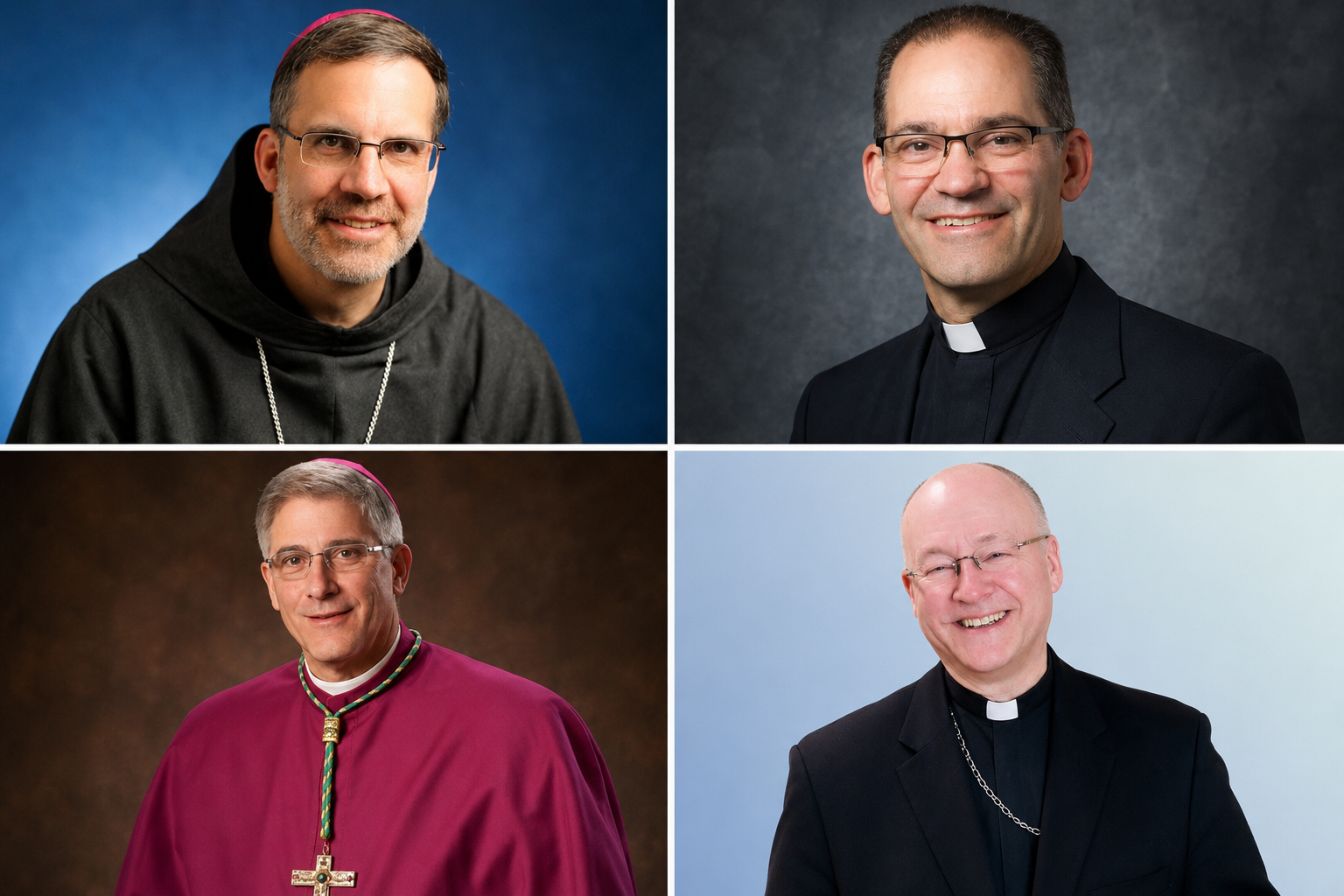
It is becoming more possible to find communities where people truly want to engage transgender people directly, spaces where people are willing to listen and learn. This year, one of those places was a retreat center in Racine, Wis, where New Ways Ministry gathered LGBTQ Catholics, theologians, medical experts and several U.S. bishops for conversation and dialogue.
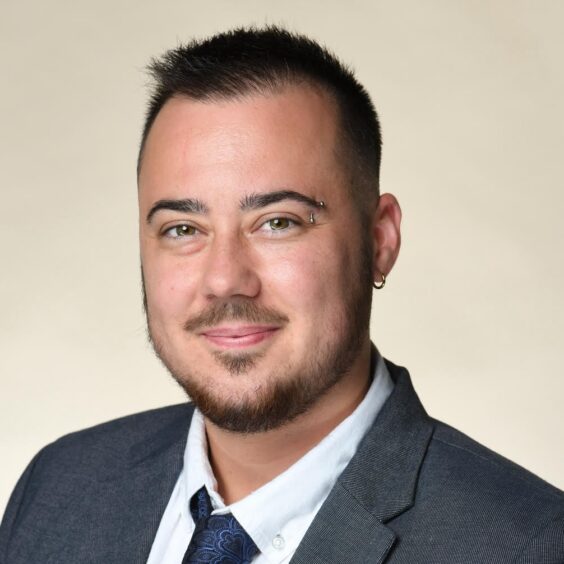
It was a remarkable gathering for a number of reasons. But one that particularly stands out to me, as a transgender man, is precisely that feeling of really being seen and listened to. No one at this meeting tried to assume they know my experience better than I do.
Instead, they listened.
It is becoming more possible to find communities where people truly want to engage transgender people directly, spaces where people are willing to listen and learn.
They listened to me talk about knowing I was male from childhood. To my description of the unique pain of going through puberty, with changes that were not only physically uncomfortable (as they are for most people) but that I knew signalled a path for my life that did not match my innermost experience. As a lifelong Catholic, I had spent years sitting before the Blessed Sacrament in adoration praying, “Lord, I know this isn’t the fullness of life you have in store for me; show me the way.” After working so hard to project an outward performance of being a “good Catholic,” I wasn’t able to really connect with God because I wasn’t being who I really am. It was only when I practiced the deep act of discernment that things began to change.
I shared with the bishops the revelation of accepting my transgender identity: the immediate graces of peace and certainty, the deepening of my relationship with God beyond what I had ever experienced prior and the joy of finally being true to myself, a joy that is still ongoing. It has been a profoundly spiritual journey.
Being able to share my story with members of the institutional church, leaders in their communities and dioceses, and to see that they really were listening had an impact on me, too. It was such a contrast to many of the daily realities of being transgender: hurt and rejection from Catholic communities I had once been a part of, national conversations about the trans community filled with hatred, stigmatization and harmful legislative action, and the many painful statements made by some church leaders that assume an agenda while failing to actually get to know transgender people.
This is the way forward for the church: not speaking about transgender people from a distance, but listening to us, learning from us and meeting us as fellow members of the body of Christ.
We already know how Jesus responded to those pushed to the margins. He encountered them personally, listened to them and recognized their dignity before anything else. We saw Pope Francis model this same spirit in his meetings with LGBTQ people, including me. And James Martin S.J., has written that Pope Leo hopes to continue that path of encounter. This is the way forward for the church: not speaking about transgender people from a distance, but listening to us, learning from us and meeting us as fellow members of the body of Christ.
In a world so quick to react, dismiss or reduce people to categories, genuine listening can feel radical. But I left this gathering reminded that encounter has the power to change people. I know sharing my story changed me. And if the church is willing to truly listen to transgender people—not from fear, but from love—it will be following the example Jesus gave us from the very beginning.