Outreach asked some of the world’s leading Catholic theologians and scholars to reflect on the import of the work of Study Group 9: what it means for the church and for LGBTQ Catholics. We hope this series helps you as well to reflect on this group’s important work. Read more from Outreach’s series here.
When Pope Francis convened the Synod on Synodality, he made clear that his vision for this major church event was to be parrhesia – deep and courageous truth-telling to the experiences of people from the centers and peripheries of the church and the globe. Francis’ vision, continued in Pope Leo XIV’s papacy over this past year, has been rooted in the firm conviction that knowing the real experiences of people – in the circumstances in which they find themselves – are the best place to begin discerning the Spirit anew in our church – rather than in abstract principles or theories.
The Synod Group Number 9 took this call seriously in this recently released “Theological Criteria and Synodal Methodologies for Shared Discernment of Emerging Doctrinal, Pastoral, and Ethical Issues” document. The goal is deep and courageous listening. The document repeatedly calls the church to listen closely to the experiences of people’s reality as it is lived on emerging issues that stretch the church from the center to the “existential, social, and cultural ‘peripheries.’” The working group then models exactly what it calls for by listening directly to the experiences of two gay men – one from Portugal and from the United States.
The starting point is not the church’s teachings that homosexual activity is sinful; rather, it is from the stories of these two men themselves in a spirit of understanding where the Lord might be working in and through them this day.
The starting point is not the church’s teachings that homosexual activity is sinful; rather, it is from the stories of these two men themselves in a spirit of understanding where the Lord might be working in and through them this day. They had the courage to embody and speak their parrhesia, and the working group had the courage to listen fully with open hearts. From these two men, we hear about the pains that come when one feels they must condemn their same-sex desires, as well as the joys that come in their relationships with their husbands. We hear them describe feeling God’s love, feeling wonderfully made by God, and realizing that God knew them in their mothers’ wombs, to paraphrase Psalm 139.
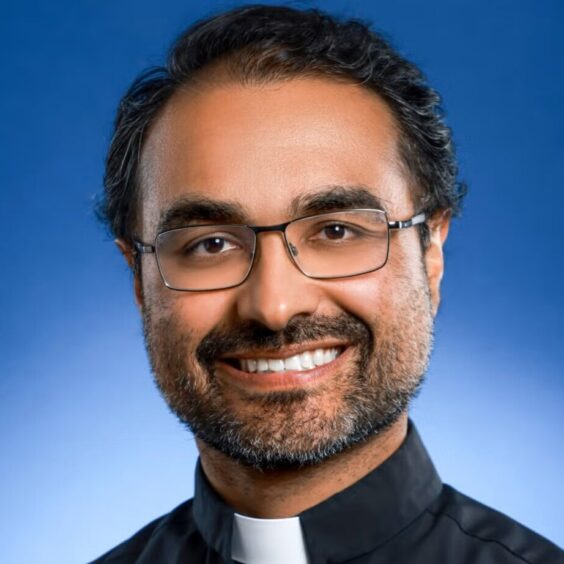
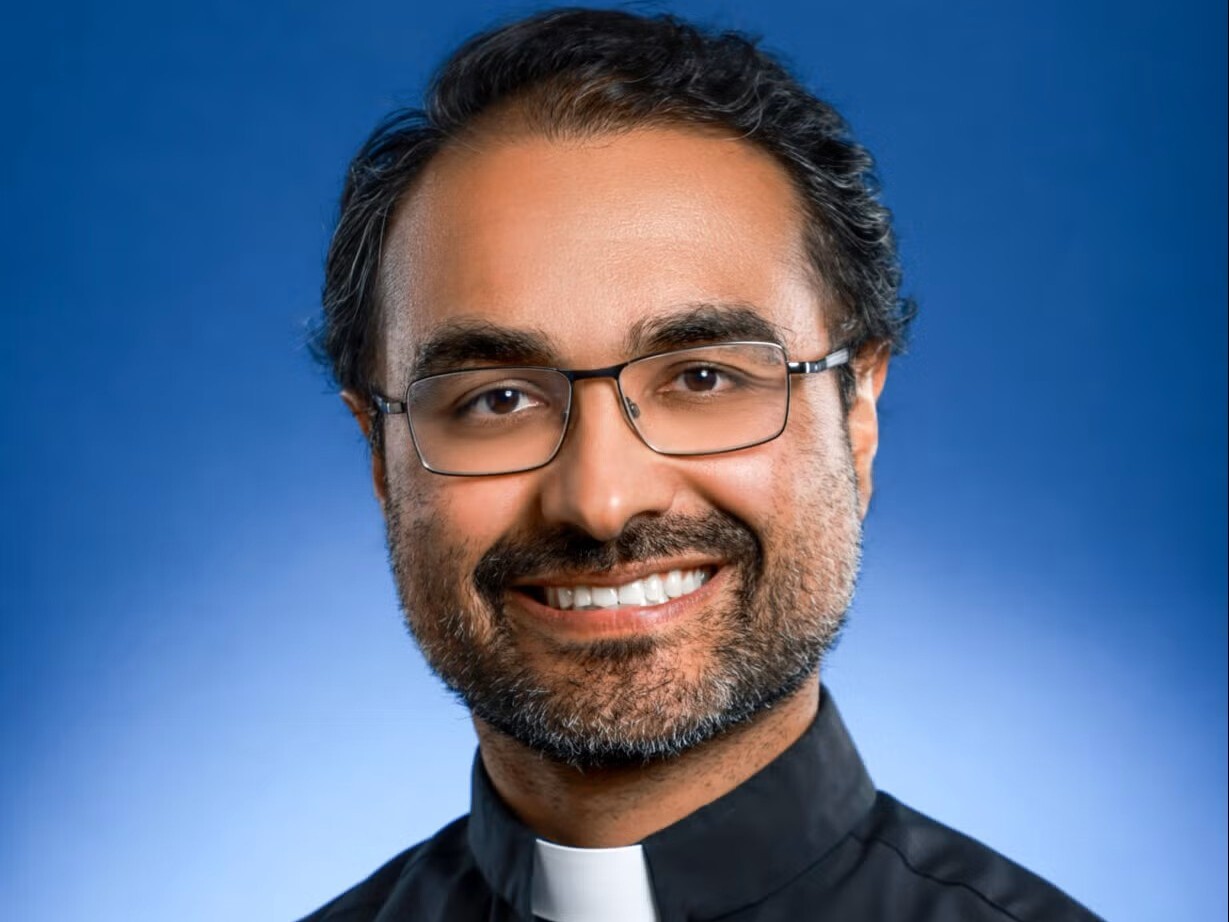
I am heartened that the Synod Working Group published their testimonies for all of us to read and pray with. My experience as a priest echoes the call to listen to how people are finding God’s presence in their lives and forming their consciences even if they differ from abstract ideals or pre-assigned theological outcomes. As a sociologist working on an interview study of 125 gay and lesbian Catholics, half who left and have who remain Catholic, I can tell that we can use the tools of social science to discern the Spirit alive in our world today, and are better as a church for relying on a diversity of disciplines to point us towards Truth.
The working group admits what they learned is limited: both men come from Western nations. Thinking “intersectionality,” the examples are of two White men. Though of course there are similarities, the experiences of women and people of color in the church differ from those highlighted in the Synod document. Furthermore, historians and sociologists of gender and sexuality have consistently shown how the experiences of identifying as gay or lesbian has shifted over time. More listening is needed to the diversity of experiences across LGBTQ peoples across the world to know how
I offer this not as a critique of the working group but an invitation for more reflection and learning. The Synod working group concurs that the listening process is just getting started: “[I]t is a matter of starting from the listening to experiences and fostering pastoral and ecclesial practices of mutual knowledge, collaboration, inclusion, and dialogue among believers. For it is only in this way – in the light of the lived and shared experience of the Gospel within the church community – that one can come to discern and promote the ‘good’ inscribed in experiences and practices” (p. 26)
LGBTQ Catholics find God at work in their lives in the Sacrament of Reconciliation and come to see that they too are made Imago Dei – in God’s image and likeness – as gay and lesbian people.
That is where the tools of social science can help the church continue to listen systematically to the similarities and differences of people’s experiences. In my own research, I’ve heard how gay and lesbian Catholics who came of age in the 1970s and 1980s were shaped largely by church’s responses to HIV/AIDS in a way that those coming of age in the 1990s and 2000s may not remember. I’ve heard lesbian women tell of how they feel doubly on the periphery in the church – as women and as lesbians, and how they felt pained by the church differently than men.
Above all, though, I have heard how much gay and lesbian Catholics value their church – including many who have opted to leave. For those who stay, they are gripped by the sacramental imagination of the church. They find God at work in their lives in the Sacrament of Reconciliation and come to see that they too are made Imago Dei – in God’s image and likeness – as gay and lesbian people. And my research shows that they stay most importantly for the Eucharist – the Body and Blood of Christ – because they see how much they need the Lord to nourish them as they live lives of love committed to Christ and to the people in their lives – including their children and husbands and wives and partners.
If the Synod were to have starting from what the report calls “‘pre-packaged doctrine,” we would not have the accounts of these two men to help us discern God’s spirit alive in our church. I hope that all of us will courageously listen to the parrhesia that our friends offer us as they share with us how the Lord is emerging in their lives. We can all listen to those in our midst, and I hope the church will turn to the tools of social science to build upon the great work of Synod Group 9 so that paying attention to the peripheries, we might find Christ alive in our world today.