This essay first appeared in our weekly Scripture reflection newsletter on December 10, 2022.
Isa 35:1-6a, Jas. 5:7-10; Mt 11:2-11
You can find the readings for the Third Sunday of Advent here.
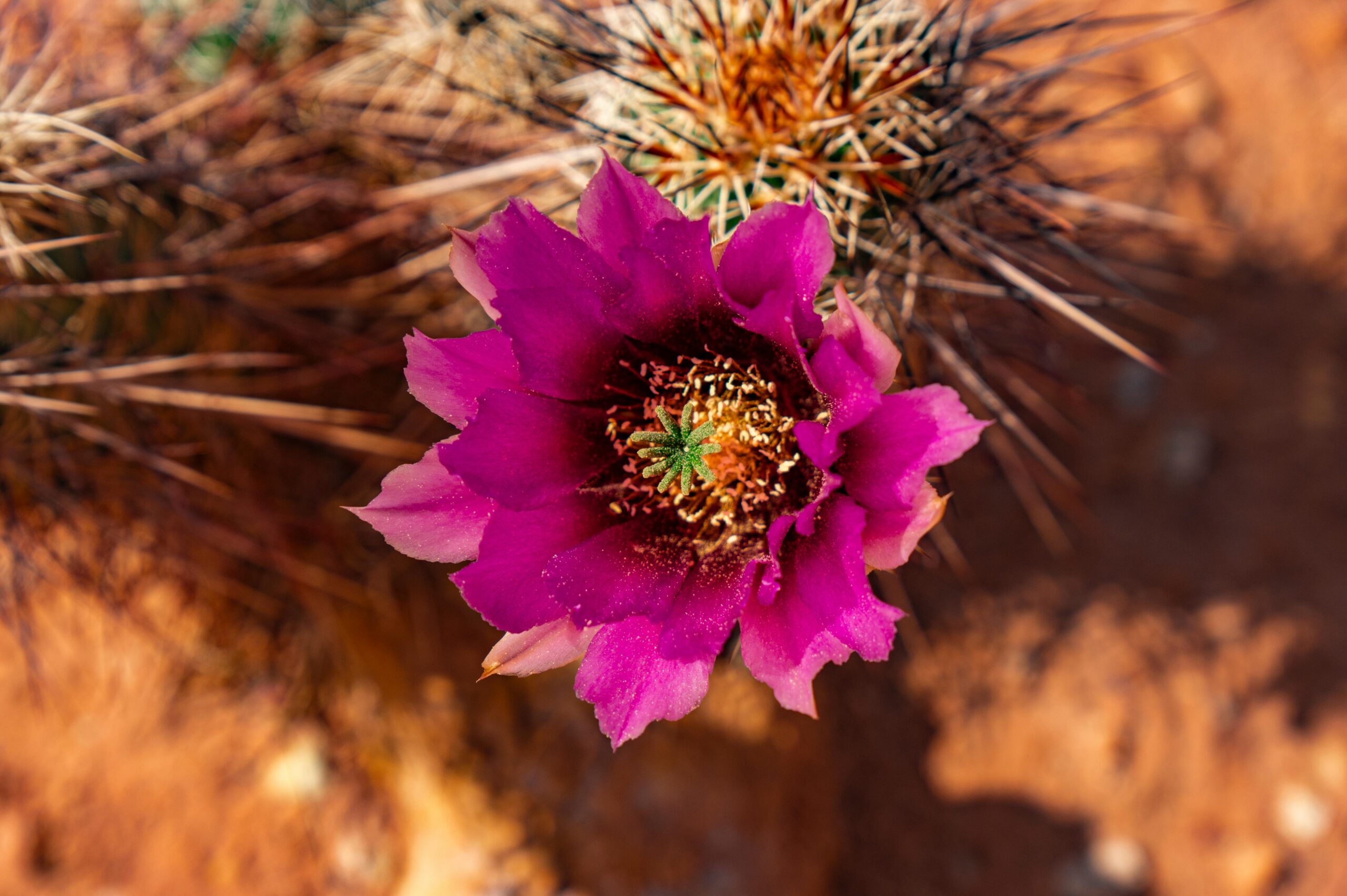
Whenever I think about the readings for Advent, it is this Sunday’s First Reading that always leaps to mind. The Prophet Isaiah, writing to a community in exile, promises them a future with images that a desert-dwelling people would have found almost unutterably beautiful. But Isaiah dares to utter them: “The desert and the parched land will exult; the steppe will rejoice and bloom. They will bloom with abundant flowers and rejoice with joyful song.” The HarperCollins Bible Commentary says that these images bring the prophecies contained the first part of the Book of Isaiah to a “rapturous crescendo.”
Something in me has always responded to the image of the desert miraculously blooming—and exulting! All of us long for this almost heavenly experience, where everything can grow and everyone can flourish. When I was younger, I saw a movie (I can’t remember which one) where, as Jesus walked, flowers bloomed in his footsteps, just like in the hymn “Morning Has Broken,” which includes the verse “Praise for the sweetness of the wet garden / Sprung in completeness where his feet pass.”
All of us long for this almost heavenly experience, where everything can grow and everyone can flourish.
But even more will happen in the future that God promises us, says Isaiah: “Then will the eyes of the blind be opened, the ears of the deaf be cleared; then will the lame leap like a stag, then the tongue of the mute will sing.” In God’s reign, everything can grow and everyone can flourish.
This is beautiful imagery, but it can feel far from where we are today. All we need do is look around and see the war in Ukraine, poverty in our inner cities and people still suffering and dying from Covid to know that we are far from Isaiah’s vision. How can we keep the faith in the midst of such misery? LGBTQ people also know what it means to live in hope and have their hopes dashed, often by the very church that encourages these hopes. Sometimes it’s hard to find signs of God’s presence among us.
That’s why Sunday’s Gospel passage, about John the Baptist, is so extraordinary. From his jail cell, John sends messengers to ask Jesus, “Are you the one?” In response, Jesus invites John to notice what is happening: the blind see, the deaf hear and the lame walk. Jesus is, as you can tell, quoting from the Book of Isaiah.
God comes to us in ways that we sometimes don’t expect.
Then Jesus adds a comment that leaps out at us: “And blessed is the one who takes no offense at me.”
New Testament scholars say that this is most likely a reference to John the Baptist, who probably didn’t expect the kind of Messiah that Jesus was. Perhaps John expected a Messiah more in his own image: a fiery preacher who used apocalyptic and even frightening imagery. But Jesus tells him, in so many words, that God comes to us in ways that we sometimes don’t expect. And in ways that we overlook.
Jesus isn’t dismissing John–who probably was Jesus’s mentor for a time. In fact, he says that John is the greatest of all prophets. But even John needs to be challenged about where to look.
So a question for us today is: Where are our blooming deserts? Where are our rejoicing steppes? In other words, where are the signs of God’s presence in our daily lives? Advent is all about desire. Can you desire to notice these things?